Milling Around

“Little by little, one travels far…” – J. R. R. Tolkien

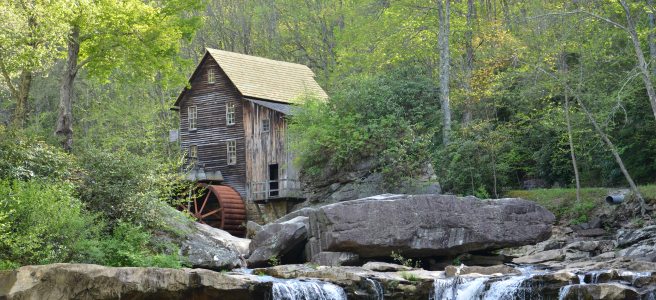
Yes, there was still one more stop to make on our Fayette County adventure before heading home. We headed back North on Route 19 and took the familiar exit heading East on Route 60, enjoying the air conditioning as we rode down the two-lane highway. The 25 minute drive flew by, and before we knew it, we were at the turn off (which, despite being a familiar place, we still nearly missed – thank goodness for signage). I couldn’t wait to see this photogenic spot and hear the babble of the water running over the rocks below the Glade Creek Grist Mill at Babcock State Park.

Although our last trip to Babcock had only been a year and one month prior, the scenery was transformed from what I had remembered. It never ceases to amaze me the difference in foliage between the month of April and the month of May. During our last visit, most of the trees had been bare; this time, they were bursting with green. While some people who come to West Virginia from out of state complain that the rolling hills can be too green to handle and that the amount of trees can make them feel claustrophobic, I honestly can’t get enough of them. It’s like being wrapped in an emerald blanket, embraced by nature.

Babcock State Park Grist Mill

The grist mill is another one of the most photographed places in West Virginia. I actually had several photos of it pinned to my exploration board on Pinterest long before I made plans to move to the Mountain State. The photos of the fall foliage are breathtaking.

Babcock State Park Grist Mill5

Unfortunately, the water wheel at the mill wasn’t turning, but that did not take away from its charm. The Glade Creek Grist Mill was built in 1976 and is still in use today. Visitors can purchase freshly ground cornmeal at the mill and visitor’s center, depending on availability and stream conditions. The mill was actually constructed from parts and pieces of three different mills that once stood in West Virginia. According to the Babcock State Park website, “The basic structure of the mill came from the Stoney Creek Grist Mill which dates back to 1890. It was dismantled and moved piece by piece to Babcock from a spot near Campbelltown in Pocahontas County. After an accidental fire destroyed the Spring Run Grist Mill near Petersburg, Grant County, only the overshot water wheel could be salvaged. Other parts for the mill came from the Onego Grist Mill near Seneca Rocks in Pendleton County.”

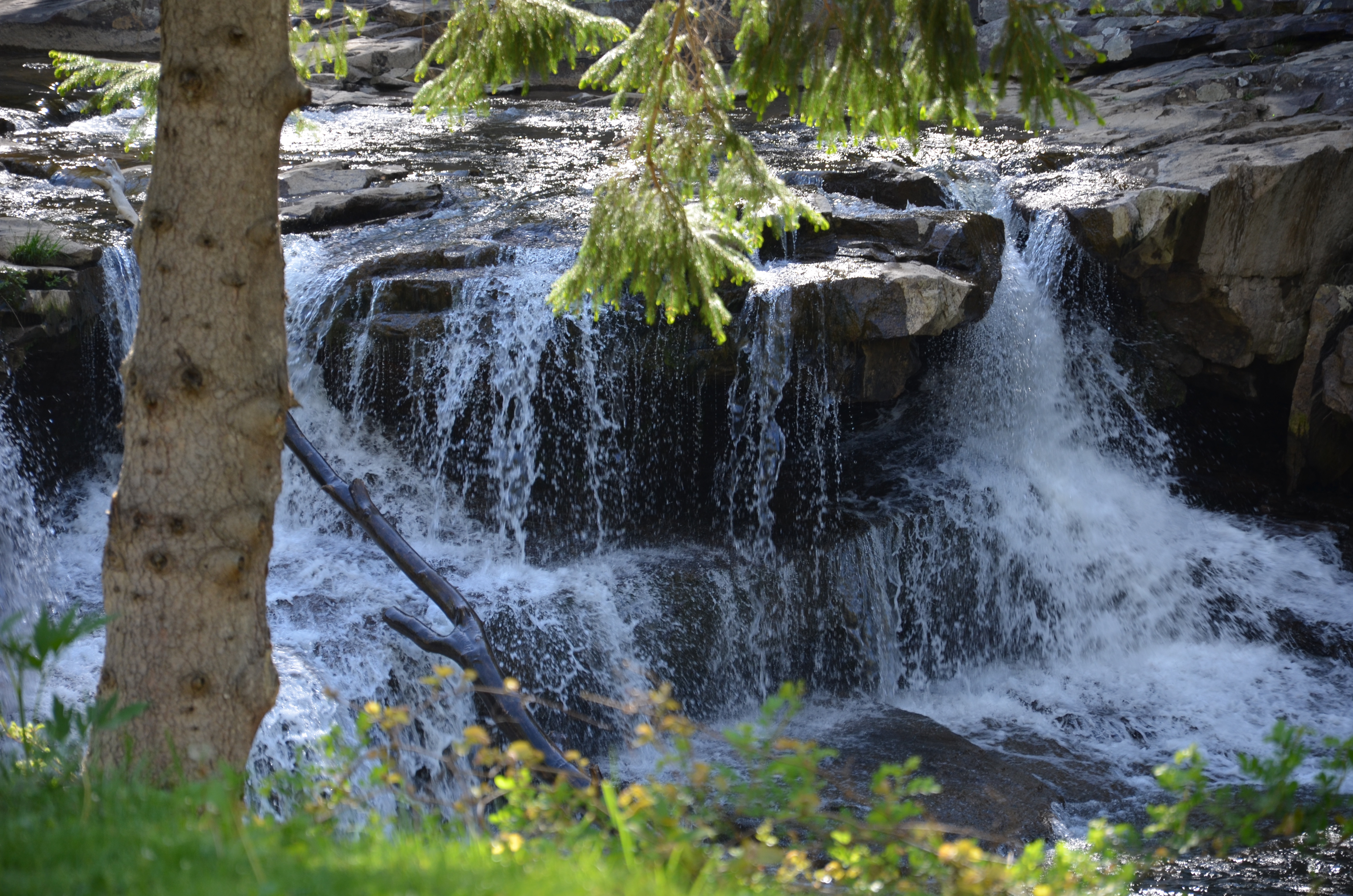
Downstream from the mill is a beautiful waterfall, along with plenty of flat areas for fishermen to cast their lines.
Babcock State Park

After enjoying the soothing sounds of the water, we decided it was time to head home. I could not have asked for a better end to a perfect day.
New River, New Adventure

“He who seeks beauty will find it.” – Bill Cunningham

When we jumped in the car and headed out of Fayetteville, I thought I knew exactly where we would go next. We would head back North and get off on the Route 60 exit and head to a familiar spot. But, as we turned back onto Route 19, a new plan sprung up in my mind. One of the most beautiful landmarks in West Virginia was about to be under our wheels, and despite having lived in the Mountain State for nearly three years, I had yet to stop and see it. So we pulled off quickly to the visitor’s center and overlook at the New River Gorge Bridge.

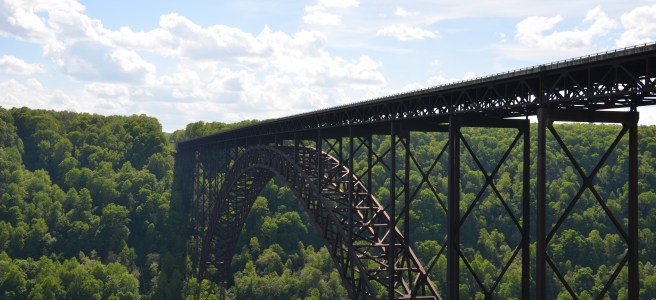
The bridge is easily one of the most photographed landmarks in the state and even appears on the back of the West Virginia state quarter. It was also mentioned in an episode of the Fox show Bones, and the year I moved here, there was a showcase on The Price is Right that offered a trip to see the bridge from the New River on a jet boat (I mistakenly thought the bridge was new and called it the River Gorge Bridge when I told my friends about seeing the prize package, which elicited quite a few laughs). That day, a trip to see the New River Gorge Bridge in person was added to my bucket list.

New River Gorge BrochureI wanted to hit the visitor’s center first, which I blame on my inquisitive nature. I wanted to see the informational displays and understand just how much it took to build this landmark. I quickly learned that the bridge was not nearly as old as I thought it was. The first piece of steel was positioned above the gorge in 1974, and construction of the bridge wasn’t completed until 1977. Prior to the construction of the bridge, drivers had to travel narrow, winding roads down into the gorge, across a small bridge above the New River, and back up the other side of the mountain, which took about 40 minutes. Now, travel takes less than a minute.

But just because the travel time is faster doesn’t mean that the New River Gorge Bridge should go unseen. It is the largest steel span in the western hemisphere and the third highest in the United States. The bridge was added to the National Register of Historic Places in 2013 by the National Park Service. If that wasn’t enough, the New River itself is one of the oldest rivers in North America, and some believe it to be one of the oldest in the world, second only to the Nile River in Egypt.

In addition to a wealth of information on the bridge and the New River, the visitor’s center also offers beautiful views of the river.

New River Gorge1          New River Gorge 5

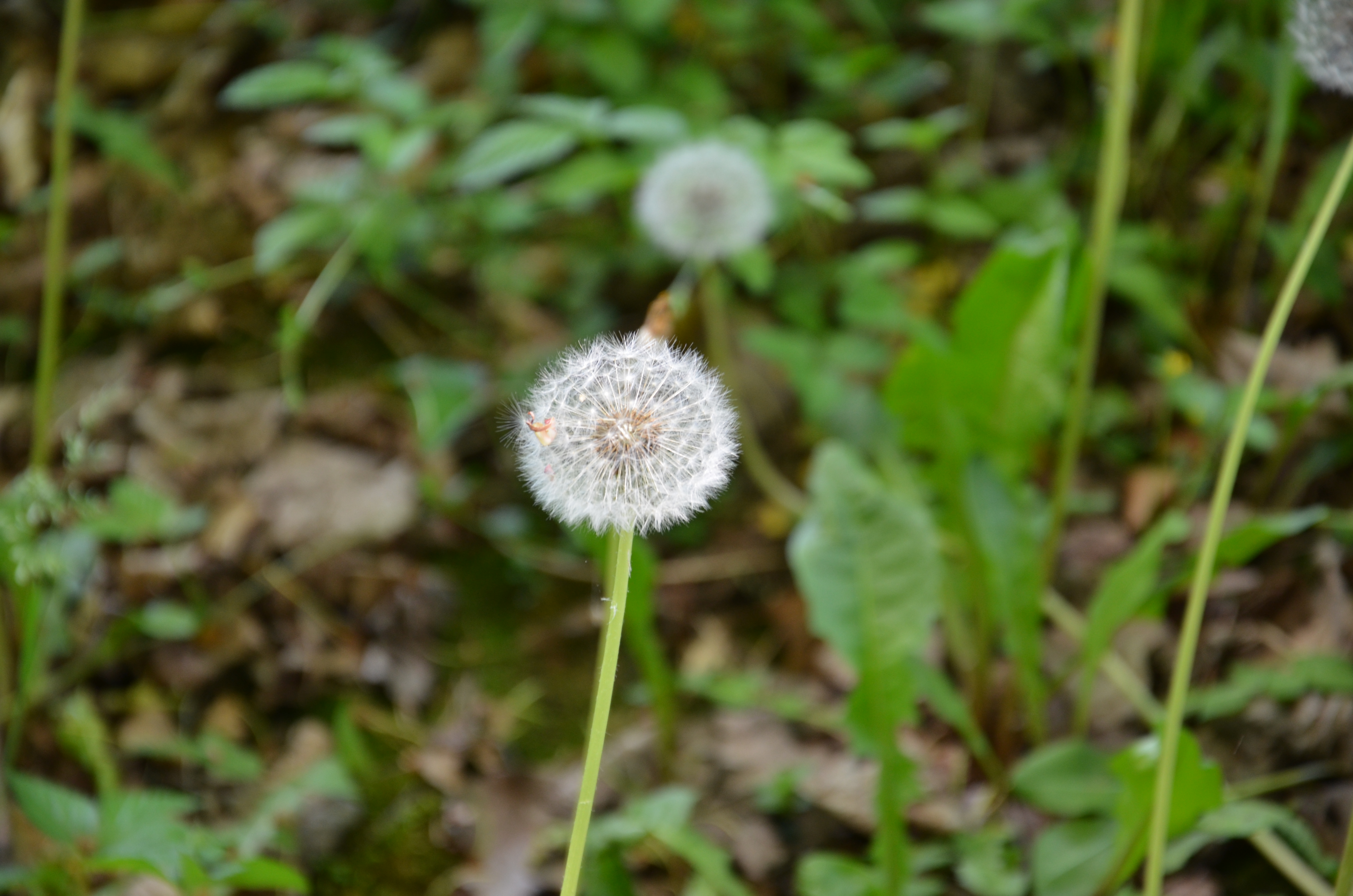
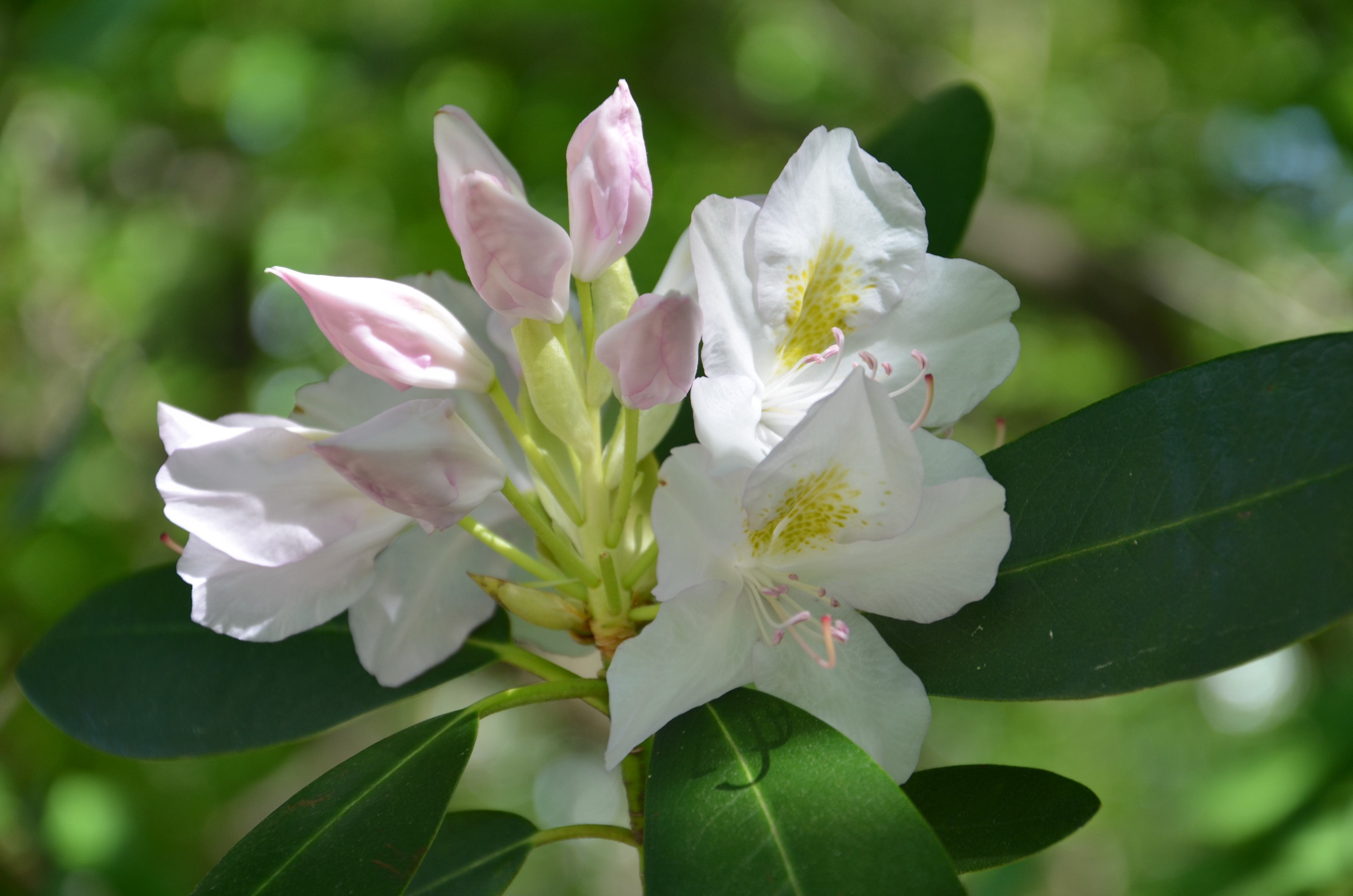
After taking in the scene, I was ready to head to the overlook. Of course, I couldn’t resist snapping a few quick pictures of passing scenery on our way there…

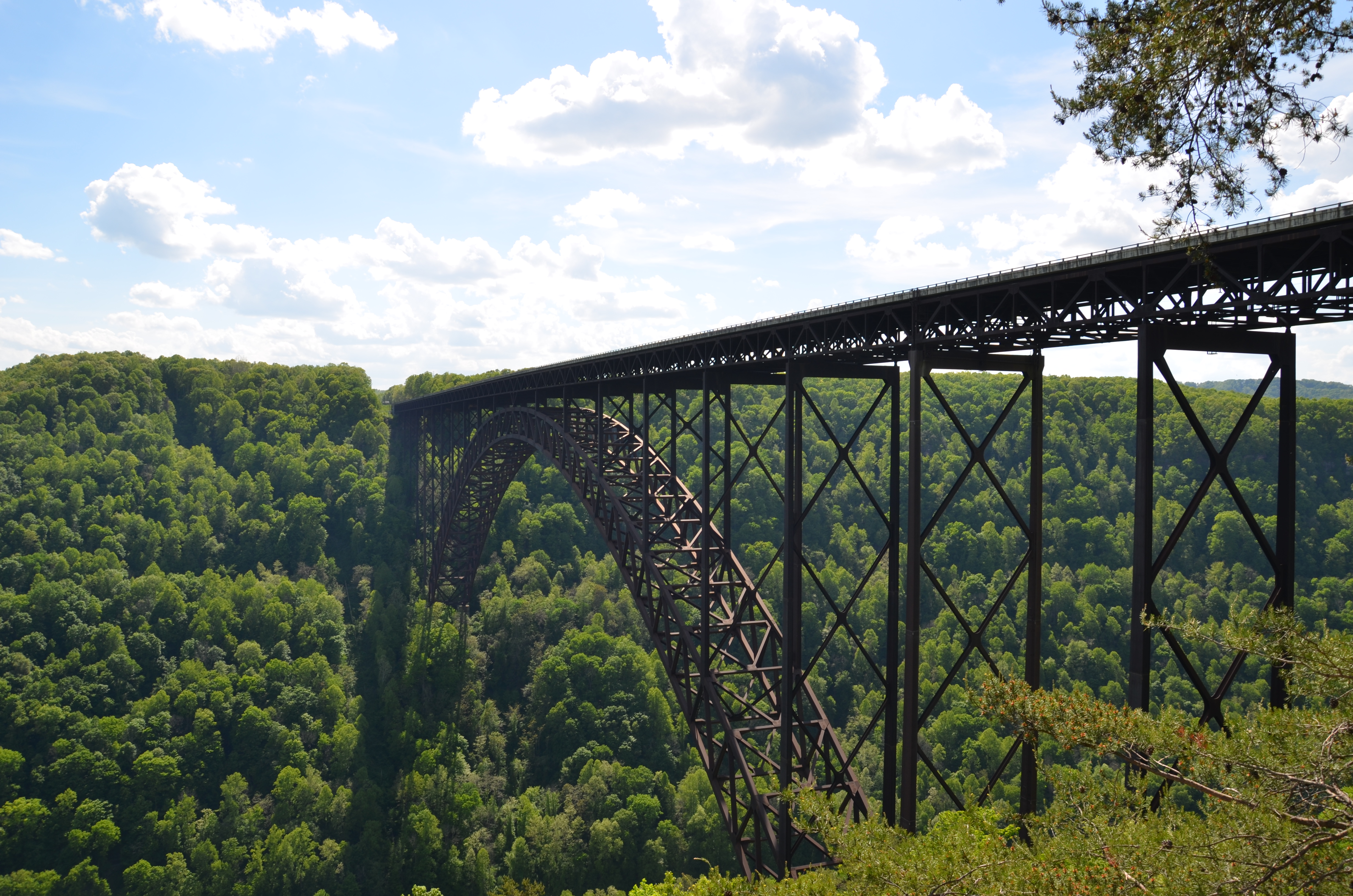
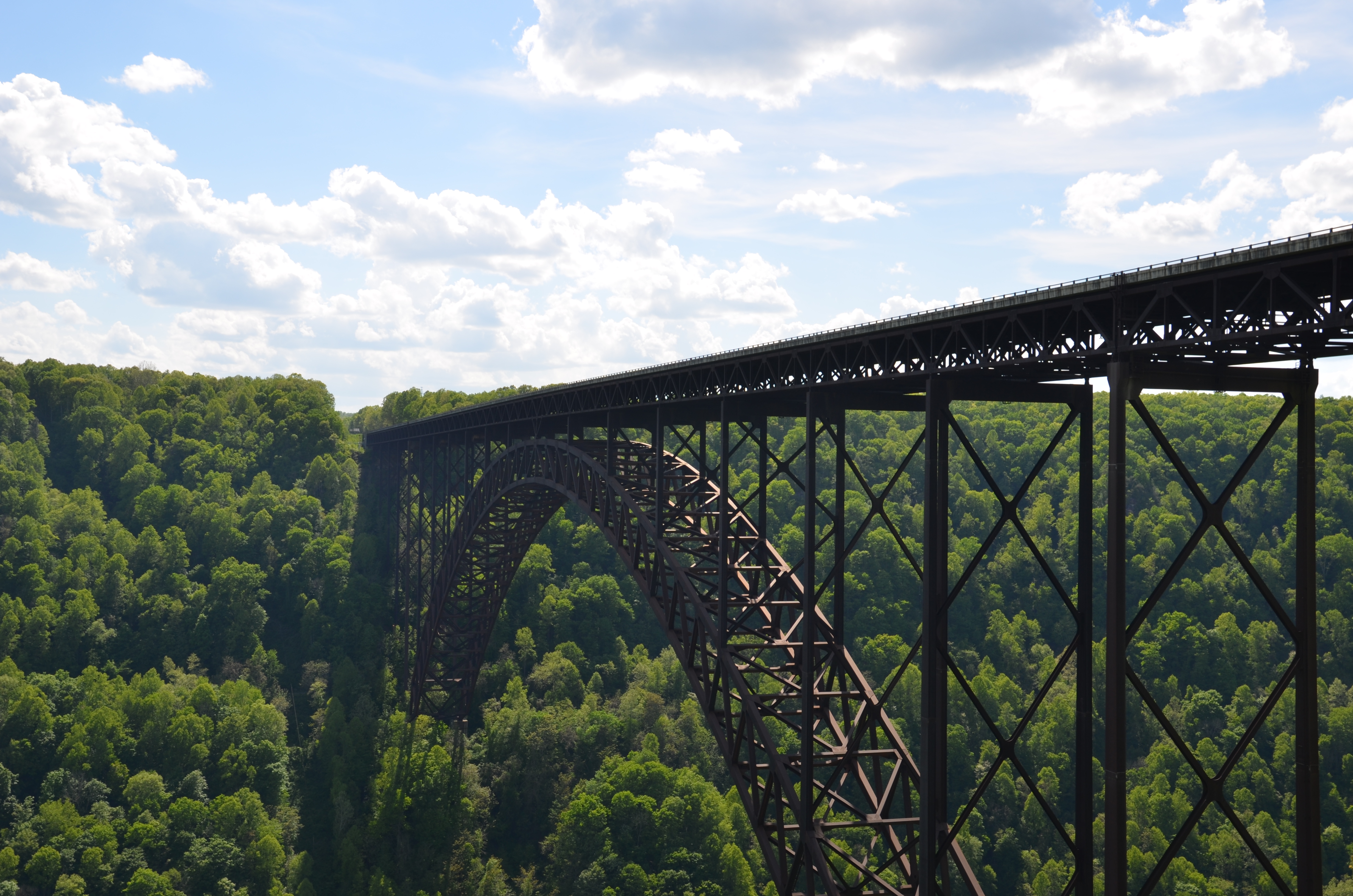
Catterpillar 4           DandelionRhododendronAnd once we finally made it to the overlook, I was far from disappointed. There’s nothing like looking at a huge structure, built by hardworking human hands, to make you feel small. I mean this in the best way, of course. It reminded me that I am a small part of the universe, but I am still lucky enough to be a part of it.

New River Gorge Bridge           New River Gorge Bridge4New River Gorge Bridge10           New River Gorge 6Maybe one year I will come down for Bridge Day. I’ve heard that the traffic can be crazy, but I think the festivities would more than make up for that. However, this gal will not be BASE jumping or rappelling off that perfectly good bridge… I’ll just stick to seeing the amazing views and enjoying good music and food.

After climbing back out of the gorge, we stopped at the ice cream stand and gift shop near the visitor’s center for a quick, cold treat, then hit the road again. There was still one more stop we needed to make before heading home…

An Afternoon in Fayetteville

“The mountains are calling, and I must go.” – John Muir

The semester is over and final grades are back (cue a huge sigh of relief), and that means summer vacation has officially begun. With the sudden surge in free time, I have found myself dreaming of road tripping all across the Mountain State. There are several places on my bucket list, and it seems like more are added each day. Here’s just a small sample…

Brochures

With the lovely weather we had over the weekend, I decided it was time to cross a few places off the list. Rather than bombarding you with tons of pictures in a single post, consider this the first in a mini-series about some of the gems in Fayette County.

Fayetteville Sign

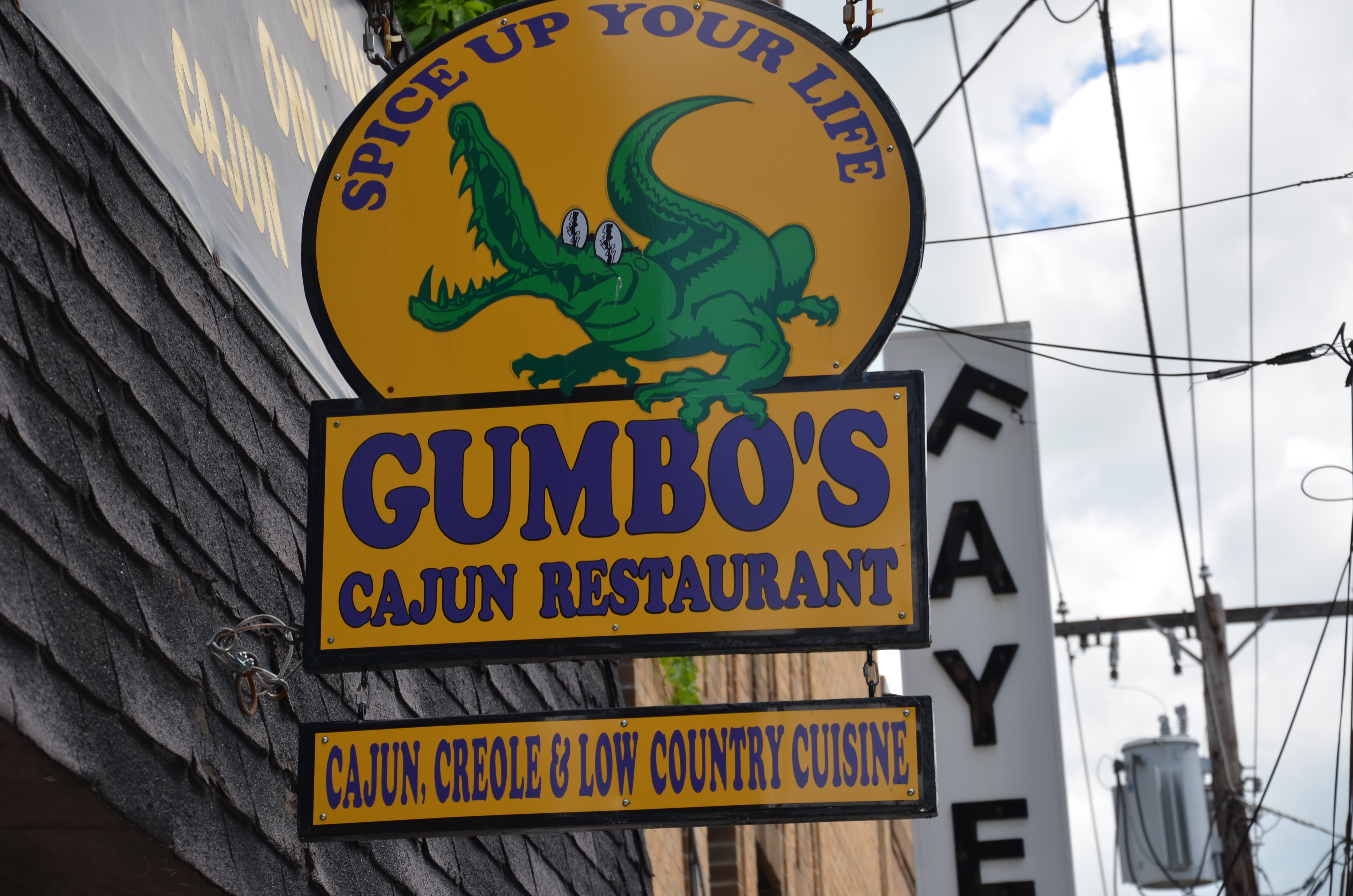
The adventure began in downtown Fayetteville with a delicious meal. I’ve stopped in Fayetteville a few times before, almost always to grab some delicious pizza from Pies & Pints Pizzeria (seriously, if you’re in the area, get some!). However, we wanted to try something different this time. At the recommendation of several of my friends who have grown up nestled among the hills, we made our first stop Gumbo’s Cajun Restaurant.

Fayetteville Gumbos     Fayetteville Gumbos Sign (2)

We were definitely not disappointed. The food was delicious, the prices were reasonable, and the service was fast and friendly. I decided to try the Crawfish Po’Boy Sandwich with homemade chips, and it was one of the best things I’ve ever tasted (sorry, Mom!). Every bite was gone before I even thought to snap a picture. They have some great shots of favorite menu items on their Facebook page though, so be sure to check them out.

One of the things I love most about Gumbo’s is their use of fresh, local ingredients. This time of year, their specials are centered around the ramps (also known as wild onions) and morel mushrooms that can be found growing across the state. It is wonderful to see local items showcased regularly and I always appreciate restaurants that carry items grown in West Virginia. Fresh ingredients paired with the tastes of New Orleans added up to a wonderful meal, and I am sure we will be back again.

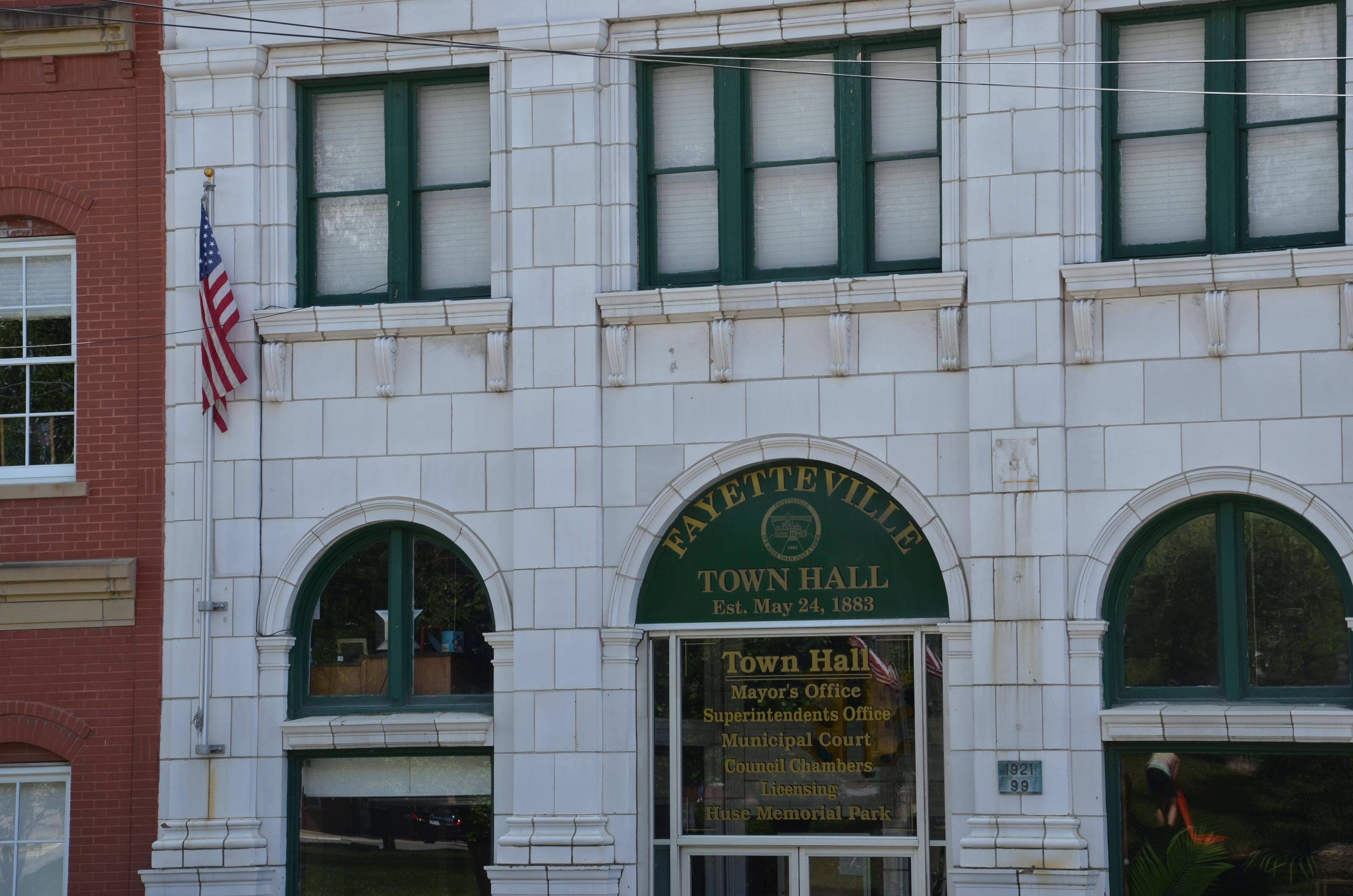
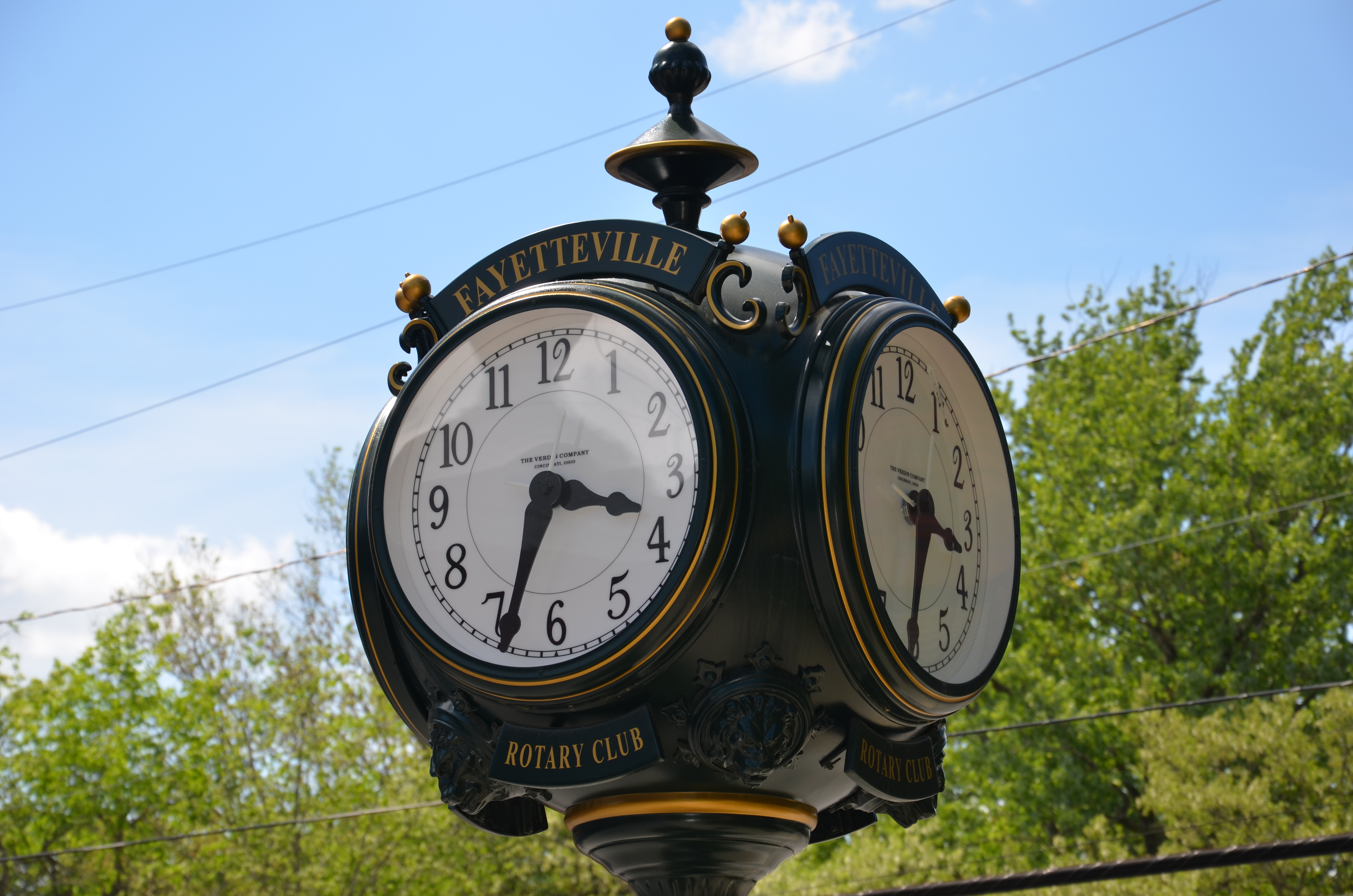
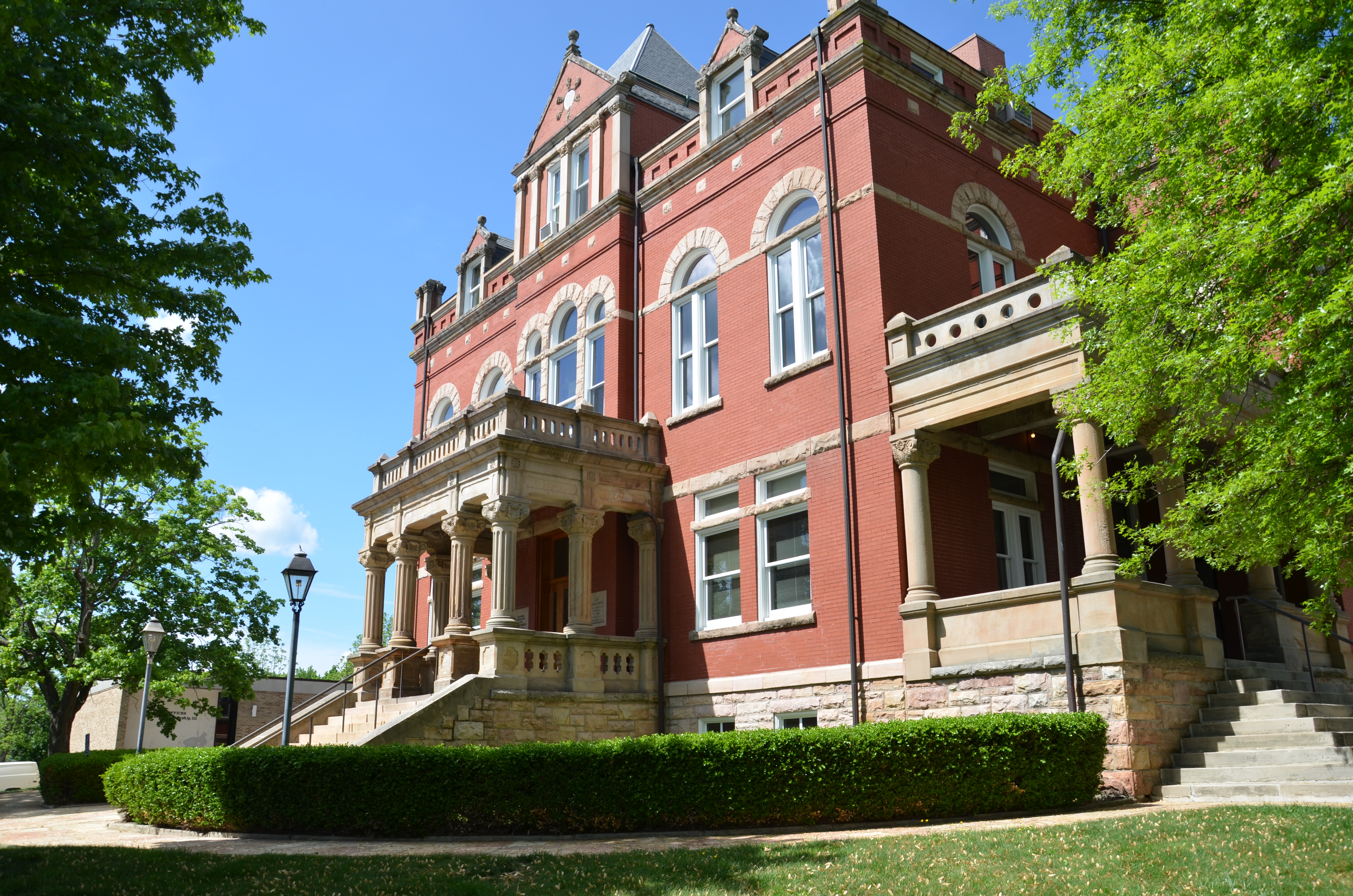
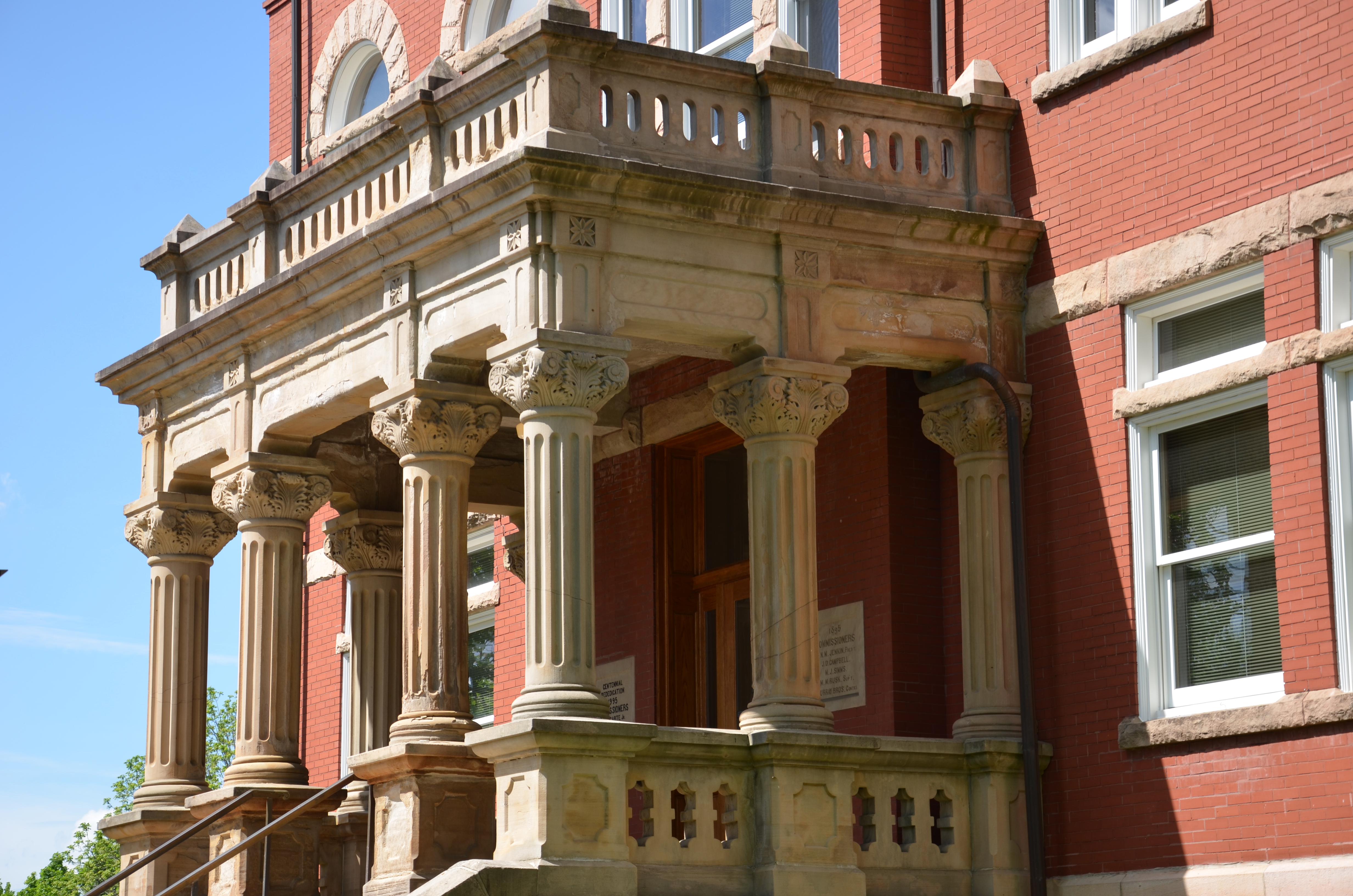
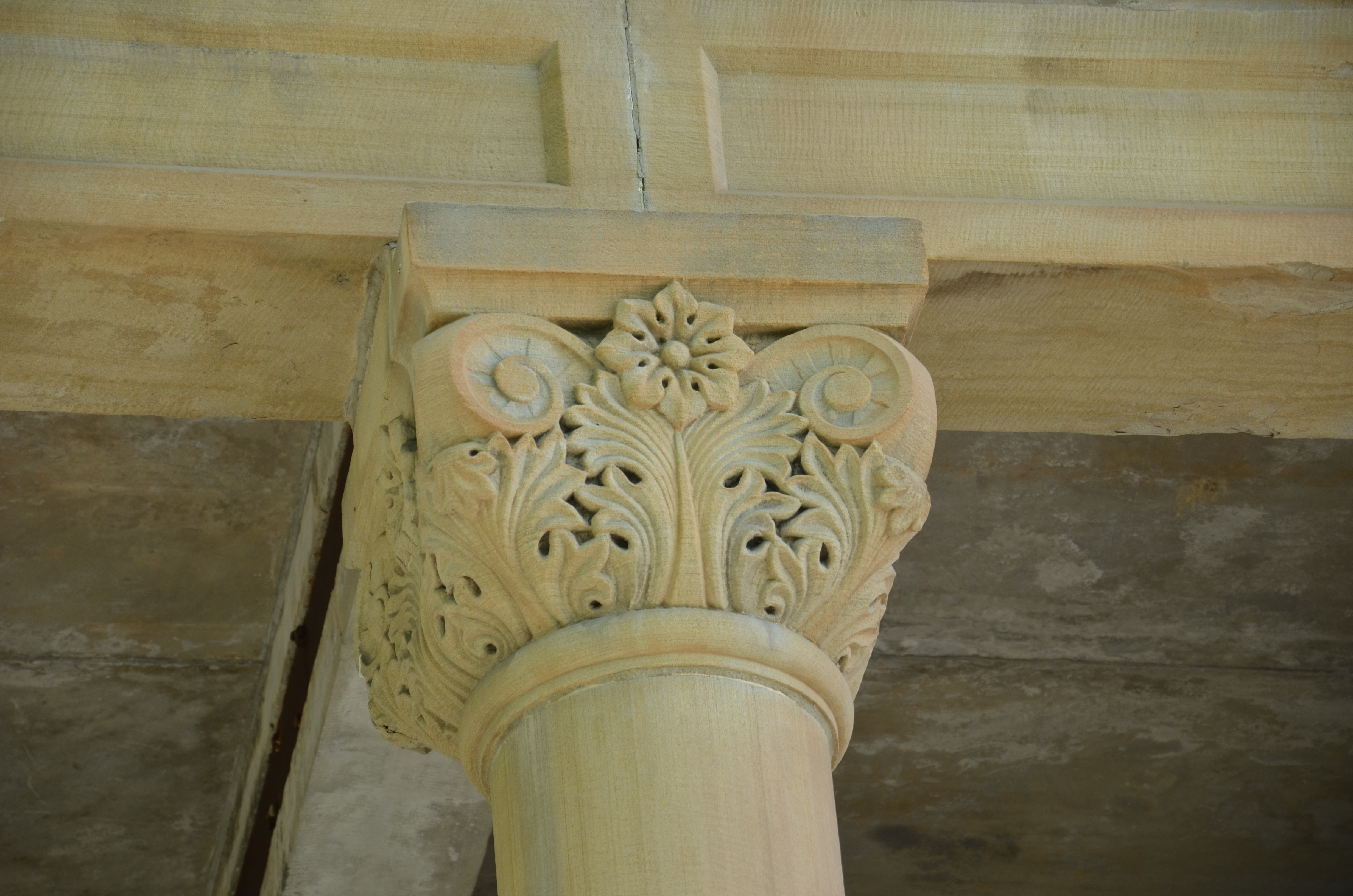
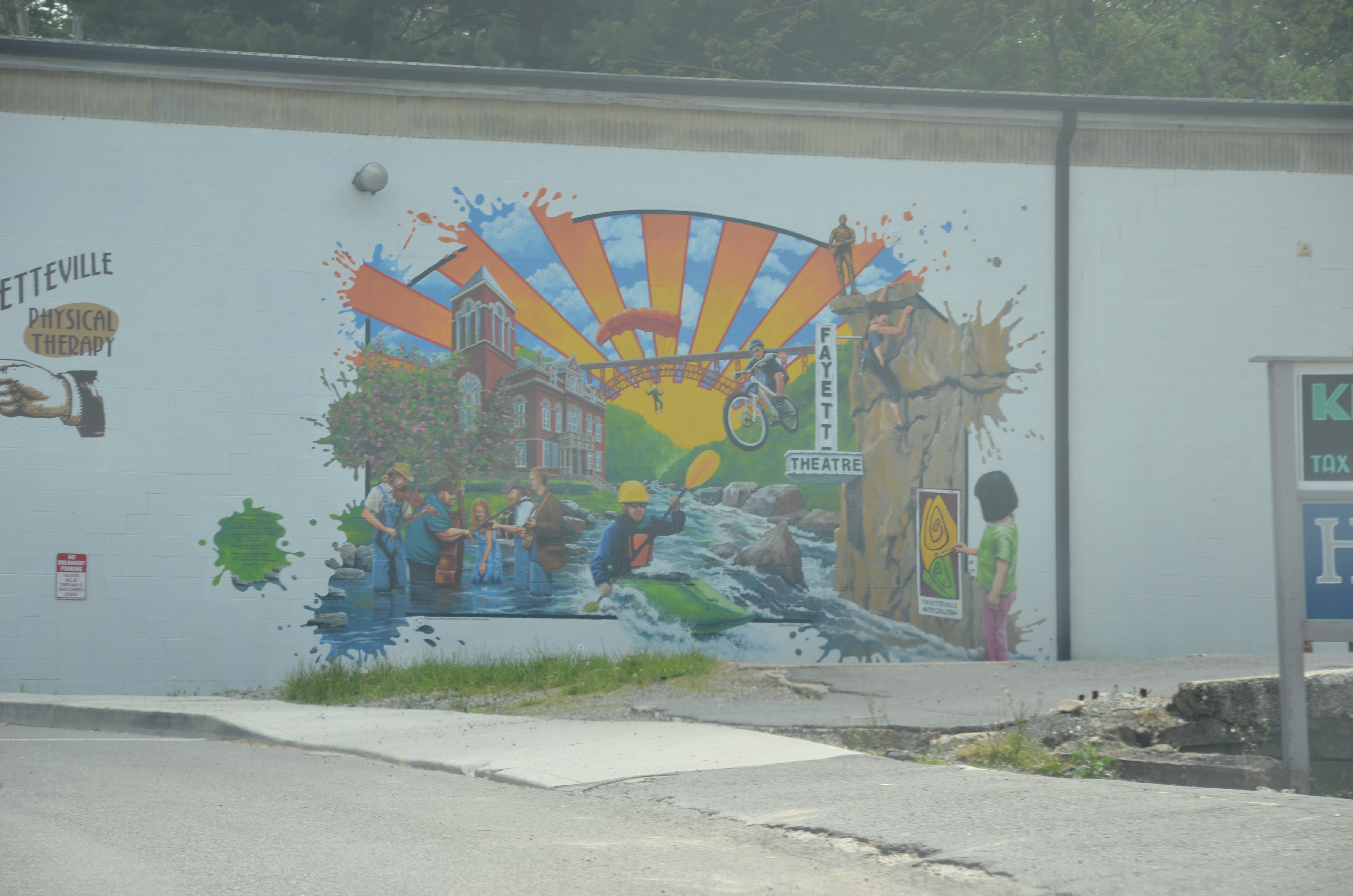
After getting stuffed to the gills, we decided to take a stroll around town. Fayetteville, like many of the other smaller towns in West Virginia, has held on to much of the older buildings in town and charm that accompanies them. I couldn’t resist snapping some pictures of the beautiful architecture…

Fayetteville Bank            Fayetteville Town HallFayetteville Clock            Fayetteville CourthouseFayetteville Courthouse Detail 2            Fayetteville Courthouse DetailFayetteville Mural

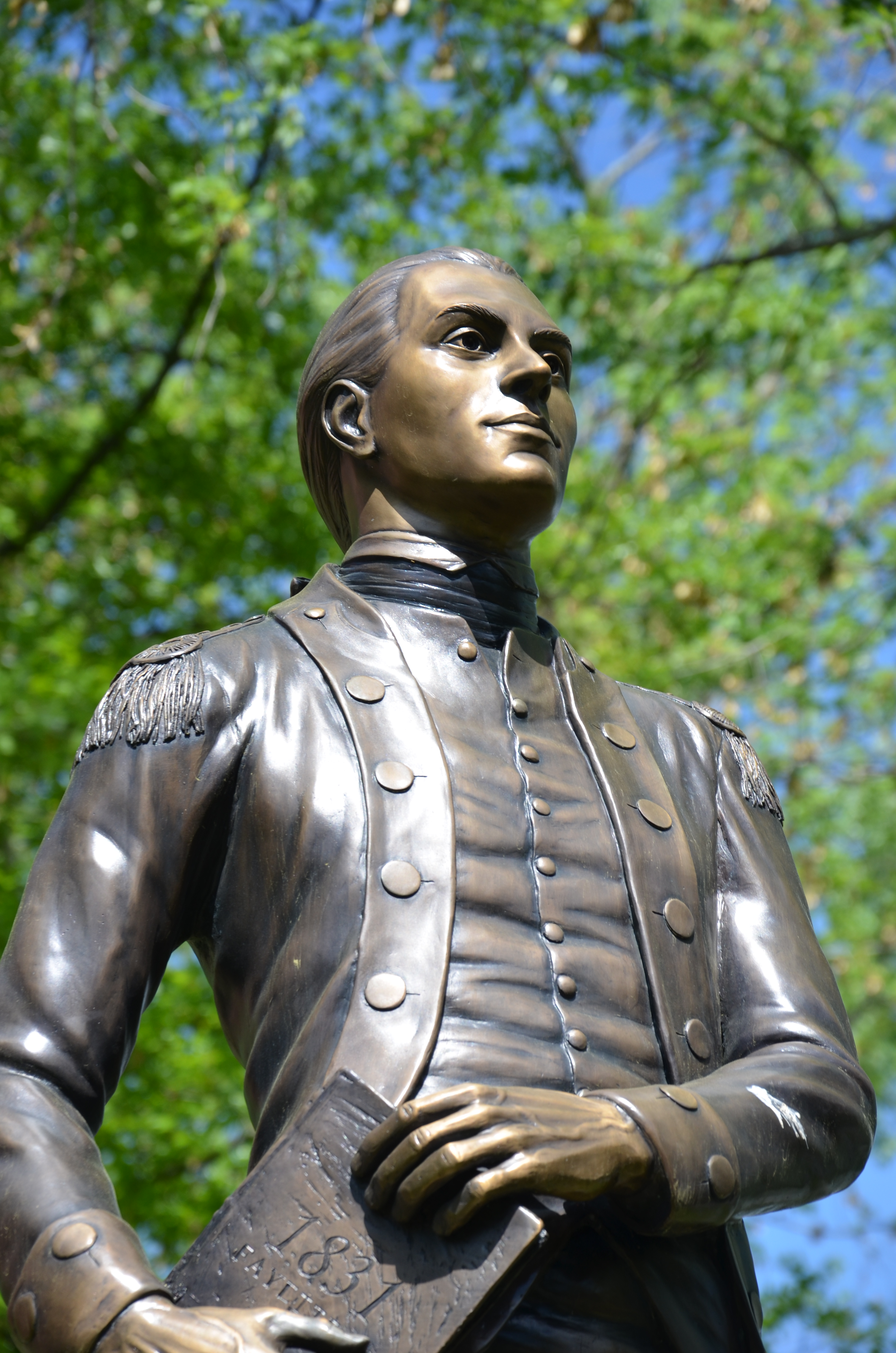
I also found a statue of Marquis de Lafayette, French Statesman during the American Revolution and the county’s namesake, in front of the courthouse.

Fayetteville Statue

According to the plate below the statue, it was petitioned before the General Assembly of Virginia in 1830 that the county be named Lafayette or Fayette in order to “perpetuate a remembrance of his virtues and philanthropy through future ages of our political existence…” To put that staying power in perspective, that petition was drawn up 33 years before West Virginia seceded from the Confederacy to rejoin the Union during the Civil War. Now, 185 years later, the county still bears his name.

Fayetteville Statue Detail

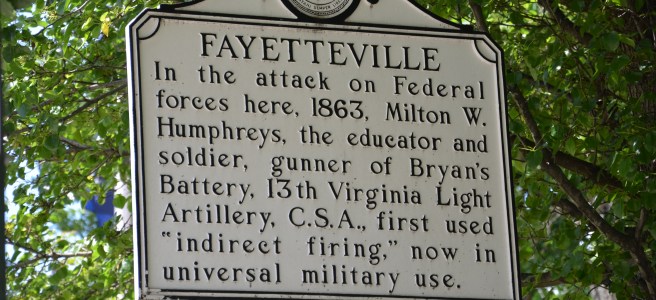
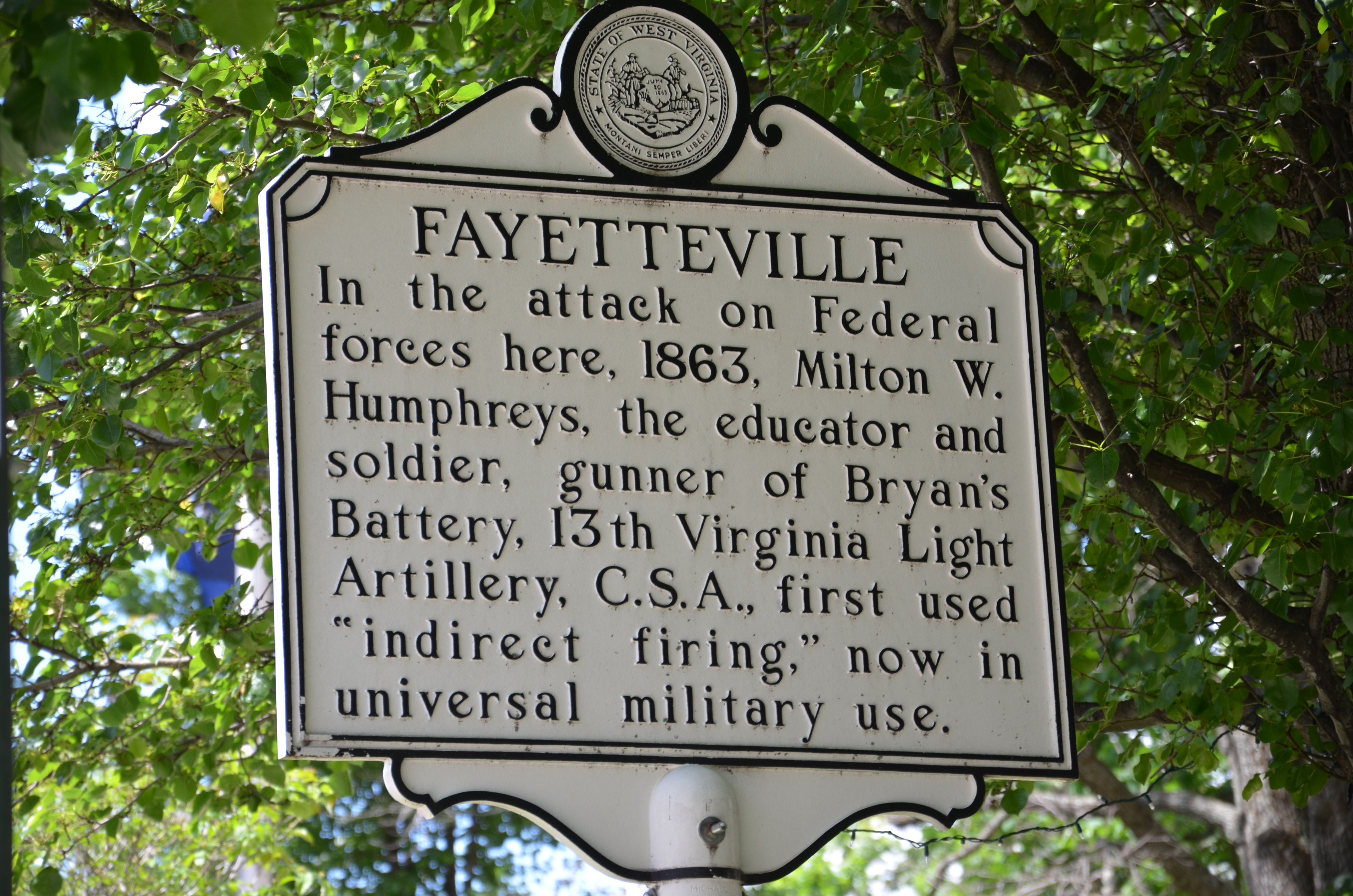
In addition, I found one of the many white highway historical markers on the courthouse lawn, offering information about the Civil War in Fayette County.

Fayetteville Historical Sign

The West Virginia Highway Historical Marker Program was initiated in 1937 as a way to encourage tourism to the state during the Great Depression (part of Roosevelt’s New Deal). These markers appear in places all over the state, with approximately 1,000 markers altogether. For more information on the West Virginia Highway Historical Marker Program, visit the West Virginia Division of Culture and History website.

Soon it was time to hop back into the car and head to the next stop on our adventure, one of Fayette County’s (and the mountain state’s) most famous landmarks…